
"Harar 4"
400 article(s) found

Introduction to Harald producing area of Ethiopian Coffee
At 1600 to 2400 meters above sea level, the Harald Heights in eastern Egypt is one of the highest elevation areas for human coffee cultivation (some even claim to be as high as 2000 to 2700 meters), overlooking the Yemeni ports of Mocha and Aden across the Gulf of Aden. For centuries, Harald coffee farmers, using camels, donkeys or carriages, risked being besieged by hyenas to transport coffee beans to Gibb, a port at the foot of the mountain.

Introduction to the regional treatment method of taste production in BISHAN flavor description of hambela Manor in Ethiopia
Introduction to the Regional treatment method of BISHAN Flavor description of hambela Manor in Ethiopia in Ethiopia, the grading and quality control system of coffee is divided into three levels: producer, regional and national. All coffee is inspected by local inspection agencies before leaving the country of origin, and then re-inspected at the coffee inspection and grading centers in Addis and Diredawa to determine its quality, etc.

Ethiopian Coffee introduction Coffee beans Coffee processing Coffee Flavor Ethiopian Coffee details
Ethiopia is the hometown of Arabica coffee, and it is in the forests of Kaffa that you can see wild Arabica coffee. In Ethiopian, coffee is called Bun or Buna, and coffee beans (coffeebean) may be translated from Kaffa Bun. Arabica coffee was discovered early in the Harald area, probably from Kafa.

Ethiopian boutique coffee introduces boutique coffee beans characteristics of Ethiopian boutique coffee
Ethiopia is the hometown of Arabica coffee, and it is in the forests of Kaffa that you can see wild Arabica coffee. In Ethiopian, coffee is called Bun or Buna, and coffee beans (coffeebean) may be translated from Kaffa Bun. Arabica coffee was discovered early in the Harald area, probably from Kafa.

An introduction to the origin of coffee-- characteristics of Ethiopian coffee taste
Ethiopia is the hometown of Arabica coffee, and it is in the forests of Kaffa that you can see wild Arabica coffee. In Ethiopian, coffee is called Bun or Buna, and coffee beans (coffeebean) may be translated from Kaffa Bun. Arabica coffee was discovered early in the Harald area, probably from Kafa.

Ethiopian Coffee Flavor description introduction of High-quality Coffee varieties in producing areas
Ethiopia is the birthplace of the famous Arabica coffee beans, and people have always maintained the tradition of harvesting wild coffee beans. The coffee garden at an altitude of more than 1500 meters has formed a unique coffee style after thousands of years of evolution and adaptation. Ethiopian coffee grown in the natural wild environment is called wilderness coffee, which retains the most primitive and natural taste of coffee beans.

Boutique Coffee introduces Ethiopian Coffee Yega Sheffield Coffee Sidamo Coffee Harald Coffee
Ethiopia is the hometown of Arabica coffee, and it is in the forests of Kaffa that you can see wild Arabica coffee. In Ethiopian, coffee is called Bun or Buna, and coffee beans (coffeebean) may be translated from Kaffa Bun. Arabica coffee was discovered early in the Harald area, probably from Kafa.

Coffee processed by sun and water washing, and processed by different processing methods.
Ethiopia is the hometown of Arabica coffee, and it is in the forests of Kaffa that you can see wild Arabica coffee. In Ethiopian, coffee is called Bun or Buna, and coffee beans (coffeebean) may be translated from Kaffa Bun. Arabica coffee was discovered early in the Harald area, most likely
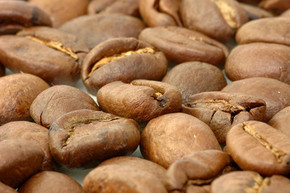
Introduction to the hometown of Arabica Coffee and Ethiopia Coffee
Following caf é (Wechat official account vdailycom) found that Beautiful Caf é opened a small shop of its own Ethiopia is the hometown of Arabica coffee, it is in the forests of the Kaffa region that you can see wild Arabica coffee. In Ethiopian, coffee is called Bun or Buna, and coffee beans (coffeebean) may be turned from Kaffa Bun
About ESPRESSO baking tips
Translated from Fresh Cup Magazine's Coffee Almanac,2003 June issue, pp. 36-40, Roasting for Espresso: Implications for Coffee Retailingby David Schomer. Introduction A few years ago, I took a very important coffee course to compare the differences between espresso and other immersion brewing methods (such as French pressure and trickling).
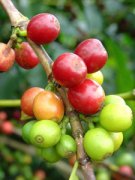
Introduction to Ethiopian Coffee
Ethiopia is one of the major producers of Arabica coffee in Africa, producing the best Arabian coffee in the world. It is said that coffee was first discovered by shepherds in Essekafa, and the name of coffee evolved from Kafa, so Essex is still the hometown of coffee. The geographical environment of coffee production and processing is very suitable for coffee growth. Coffee is mainly cultivated.
Tips for ESPRESSO Baking (selected translations)
Translated from Fresh Cup Magazine's Coffee Almanac,2003 June issue, pp. 36-40, Roasting for Espresso: Implications for Coffee Retailingby David Schomer. Introduction A few years ago, I took a very important coffee course to compare the differences between espresso and other immersion brewing methods (such as French pressure and trickling).

What is Ethiopian coffee? What is the treatment of Ethiopian coffee?
Ethiopia is a professional coffee knowledge exchange more information about coffee beans Please follow the coffee workshop (Wechat official account cafe_style) Arabica Coffee is the hometown of Arabica Coffee, it is in the forests of the Kaffa region, you can see wild Arabica coffee. In Ethiopian, coffee is called Bun or Buna, and coffee beans (coffeebean) may come from

Description of Taste and Flavor of Coffee in Sidamo, Ethiopia Variety introduction of Manor treatment
Description of Taste and Flavor in Sidamo Coffee producing area of Ethiopia dry aroma: berries, tropical fruits, fermented wine, jujube, tea, milk chocolate. Wet aroma: medium sweet and sour aromas of sun berries, citrus, slightly fermented fruit, fruit wine. Palate: comfortable and interesting sour fruit, good sweetness and low thickness. Recommended production method:
Exquisite Sidamo Coffee introduces Sidamo Coffee beans famous Coffee Brands
Coffee-tasting Sidamo, Ethiopia 2013-12-18 Wuhan Creek Coffee Ethiopia has two of the best producing areas, Yiragcheffe and Sidamo, among which Sidamo is located in a plateau region south of Ethiopia. Sidamo has a balanced acidity and moderate consistency. In Ethiopia, people usually have a cup of mocha coffee for breakfast to replenish the essence of the day.

African Coffee Bean Brand recommendation-Sidamo Guji Valley Shirley KURUME Sun Natural Wine Rhyme
Professional Coffee knowledge Exchange more coffee bean information please follow the Coffee Workshop (Wechat official account cafe_style) front street-Ethiopian Guji Valley Shiraisa KURUME sun introduction Sidamo grows in the southernmost Ethiopian plateau between 4600 and 7200 feet (Sidamo province) above sea level, is a famous boutique coffee area in southern Ethiopia. It borders Kenya and is located in Kyrgyzstan.

Fresh Ethiopian coffee variety-producing flavor boutique coffee beans Description
Washed coffee accounts for 35 per cent of exports. Good quality washed coffee is processed from freshly picked fully ripe fruit, carefully picked and closely monitored by professionals. After picking clean coffee beans on the day of picking to pulp, then fermentation, washing, drying, peeling. The humidity of the processed coffee beans is kept at about 12%. Sun-cured coffee accounts for 65 per cent of exports. mainly of

The hometown of Ethiopian Arabica Coffee the grade of Ethiopian coffee
Professional coffee knowledge exchange more coffee bean information Please pay attention to the coffee workshop (Wechat official account cafe_style) afraid of insomnia, palpitations, drink decaf coffee is healthier? Are you worried about palpitations, insomnia, or switching to decaffeinated coffee because of pregnancy? When drinking coffee, you want to consume less caffeine, which is actually similar to the variety of coffee beans and the size of grinding particles.

Description of Manor Flavor in Coffee Shachiso producing area of Ethiopia introduction to the taste of grinding scale varieties
According to the taste of the manor flavor description and grinding scale variety in the coffee producing area of Ethiopia, ET produces a lot of coffee, but unlike other producing countries, the domestic coffee consumption of ET is also very large, which is quite different from that of many coffee farmers who do not drink coffee only for the sake of the economy. Half of ET's production contributes to its own citizens. Of course, like other producing countries that earn foreign exchange from coffee.

Ethiopia where coffee beans are produced Brand flavor Manor production area introduction
Ethiopian coffee grows in the plateau of western Ethiopia at an altitude of 4900-5900 feet (Wollega Province), north of Jima. Most of it is wild, with an annual yield of about 500000bags/60kg. Most of the exports are G5/G4. The beans are larger and longer than Longberry. The green color is a little brown. The taste is similar to jasmine tea. It is bitter, lacks the rising hala, slightly sour, and has a slight fruit fragrance and wine fragrance.